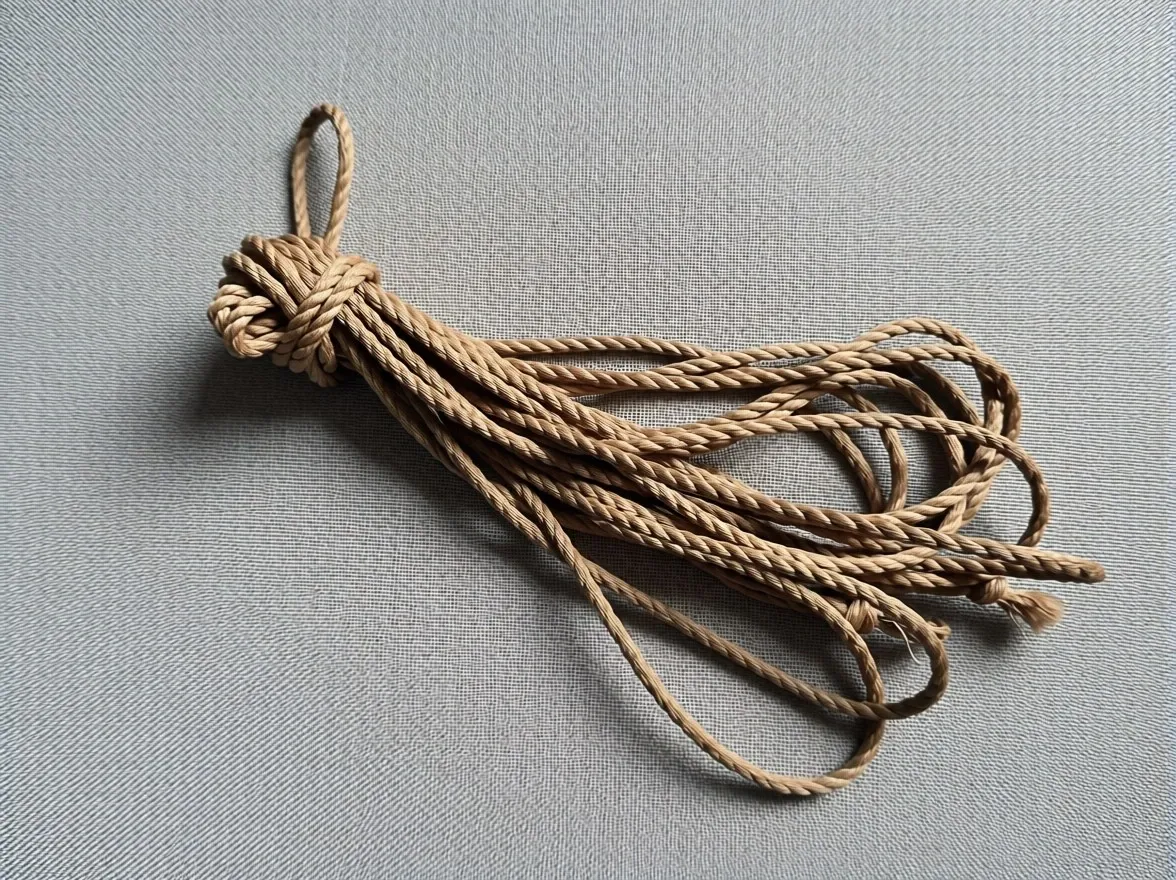
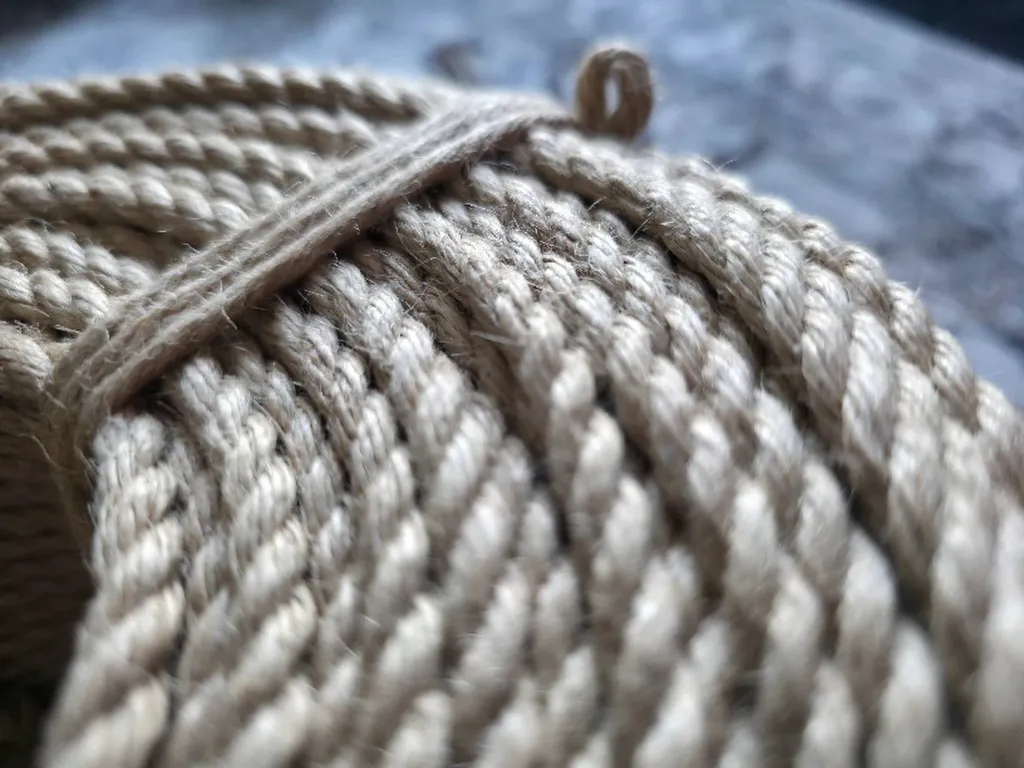
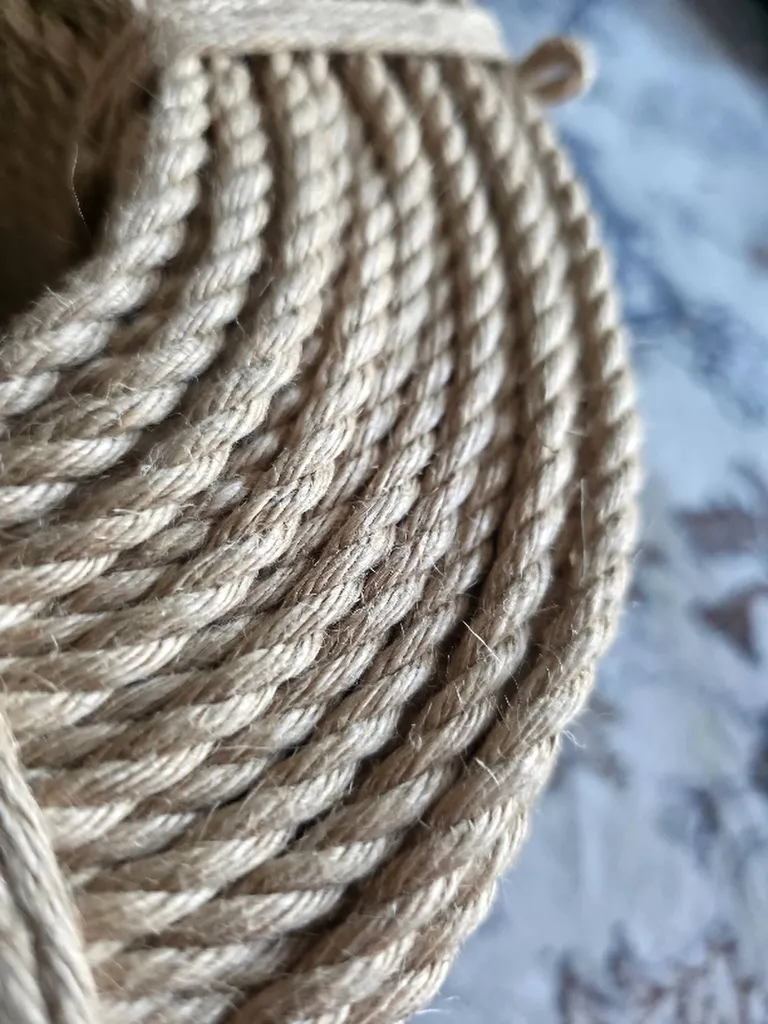
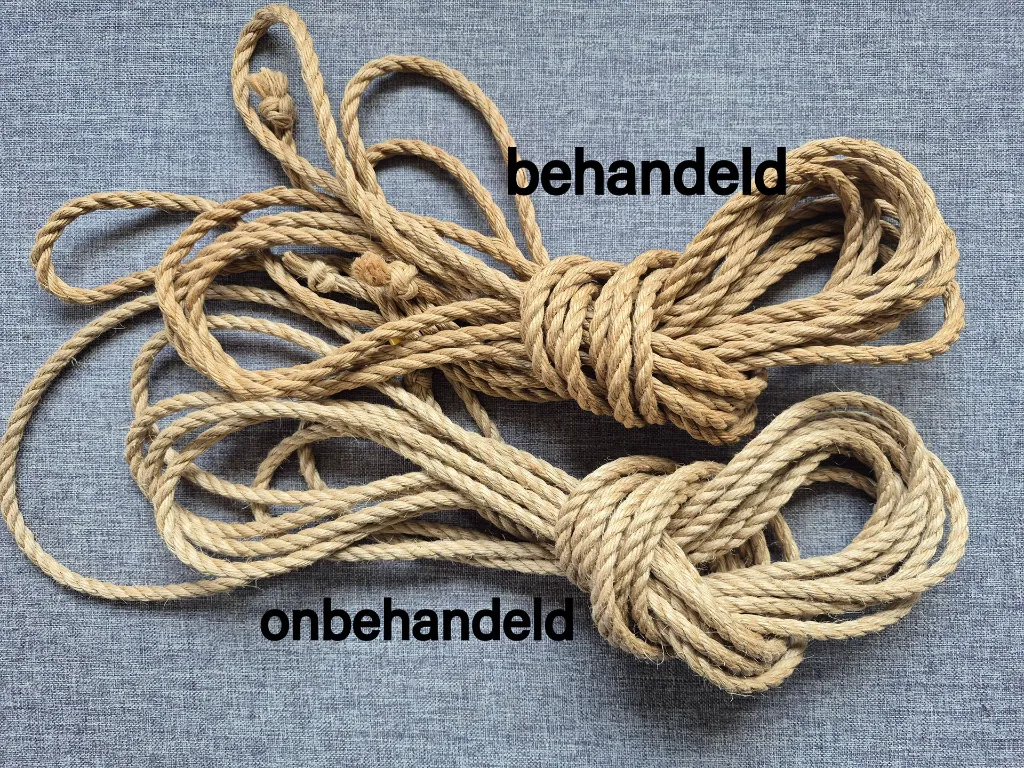
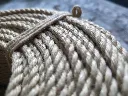
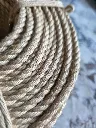
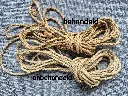

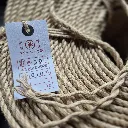
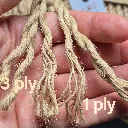
| Single-plyKoumanawa | 3-ply | |
|---|---|---|
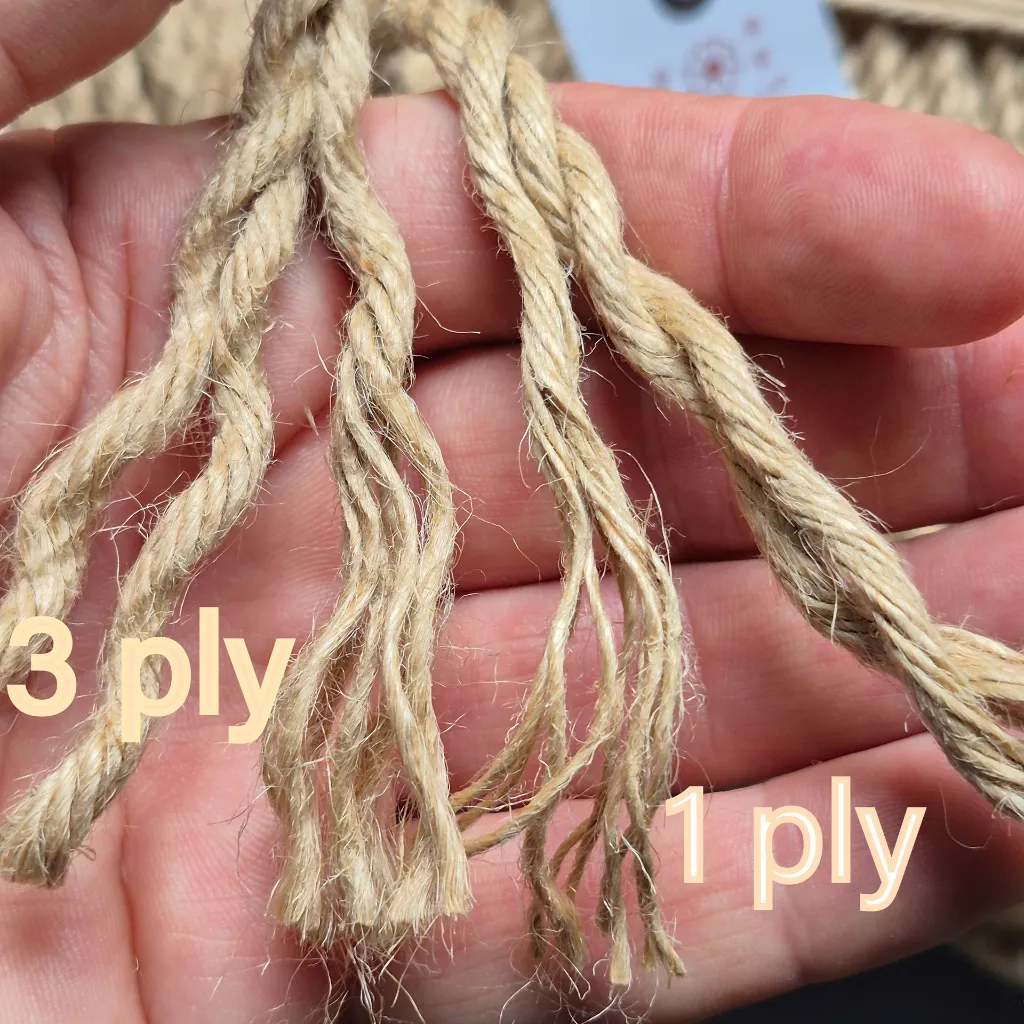
| Knots | Compact and tight. Come loose easily. | Fuller and wider. Sit a bit firmer. |
| Flexibility | Very flexible. Fluid movements, easy to tie. | A bit more structure. More control when laying. |
| Strength | Stronger under straight pulling force on a single line. | A bit less on a straight line, but broader bearing. |
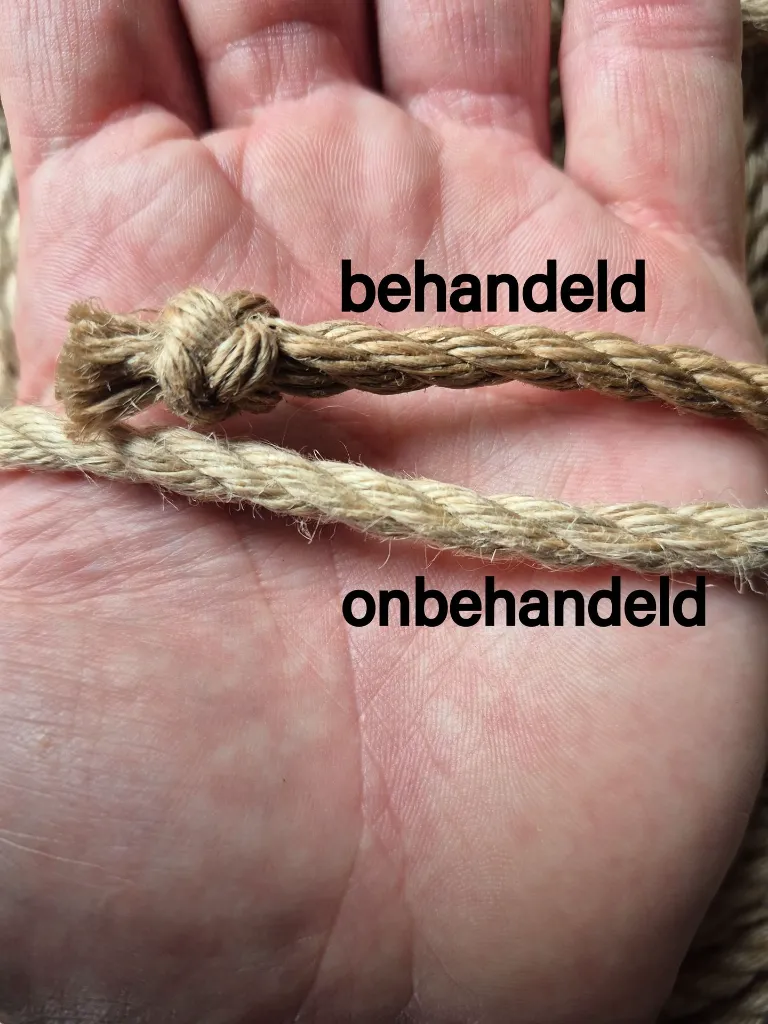
| Durability | Less dense, which can cause the rope to become thinner after prolonged use. In the long term, only suitable for floor work. | More compactly constructed, becomes thinner less quickly. Lasts longer with intensive use. |
| Safety | Good, but thinner profile exerts more pressure per mm on the skin. | The extra layers provide more protection against rope burns and friction. |
| Maintenance | Requires regular maintenance (oiling) to remain flexible. | Less maintenance needed. More forgiving in varying conditions. |
| Aesthetics | Often more photogenic due to tight, fine pattern. | Fuller, more organic appearance. |
| Ideal for | Experienced riggers seeking precision, speed, and aesthetics. | Beginners and advanced users who want durability, comfort, and lower maintenance. |
Guide to choosing shibari ropes
Why regular jute is not sufficient for shibari
Jute rope is primarily used worldwide in agriculture and horticulture. There, a rope is tied once (for example, to support a fruit tree), after which it slowly weathers and biodegrades. Manufacturers have never dealt with the demands that shibari imposes.
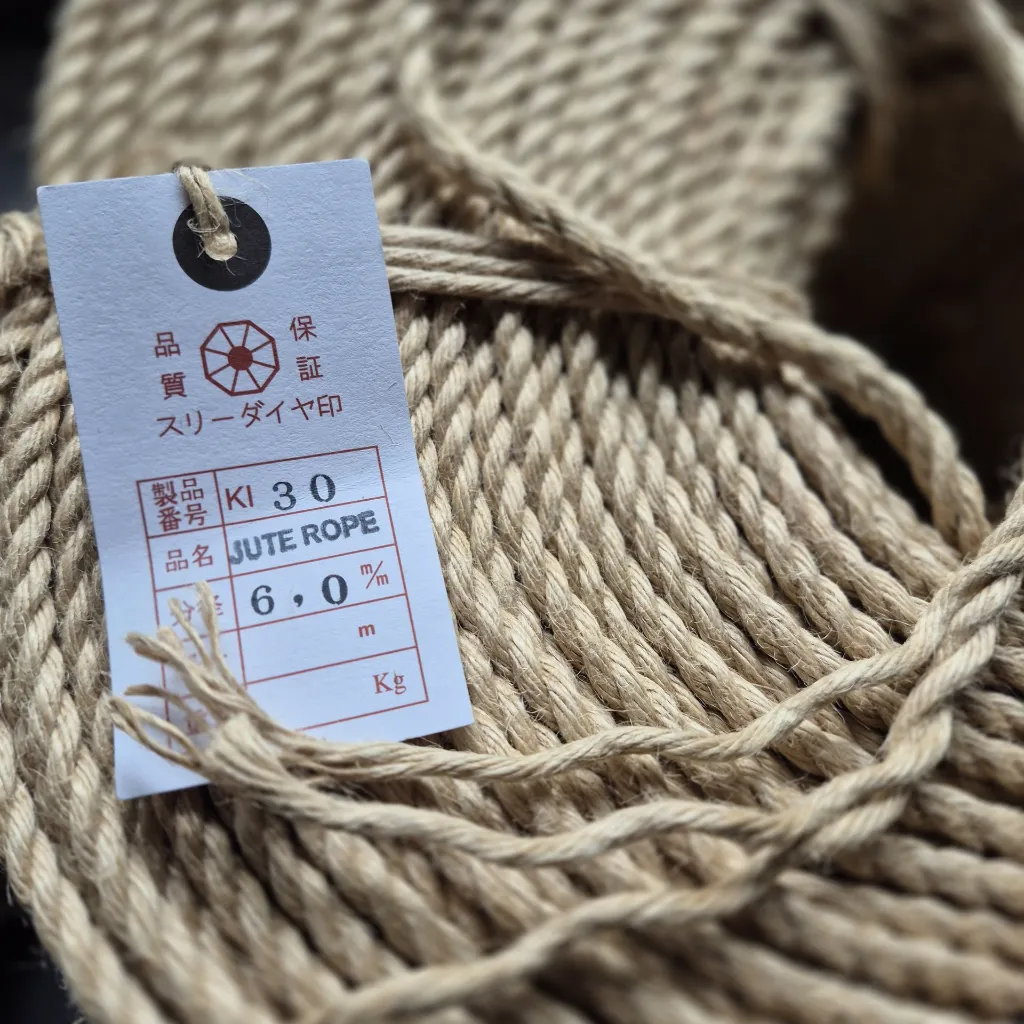
Shibari requires something fundamentally different from a rope. We expect zero petrochemicals and impurities. We want consistency, the ability to hang safely, and to tie and untie the same rope dozens of times. This generates very different loads, with higher longitudinal forces than in ordinary applications. Koumanawa has developed its own yarn class (KI-grade) specifically designed for these requirements.
About Koumanawa
Koumanawa is a specialized brand that focuses entirely on JBO-free shibari rope. This Japanese rope maker controls the entire production chain: from the selection of premium Tossa jute to spinning and finishing in their own mill.
They exclusively use single-ply yarns of their own KI-grade quality, specifically developed for the unique loads of shibari. The demand for Koumanawa rope structurally exceeds the supply, as production depends on the seasonal jute crop. This sometimes makes the rope limited in availability.